Articles Tagged with Business Litigation

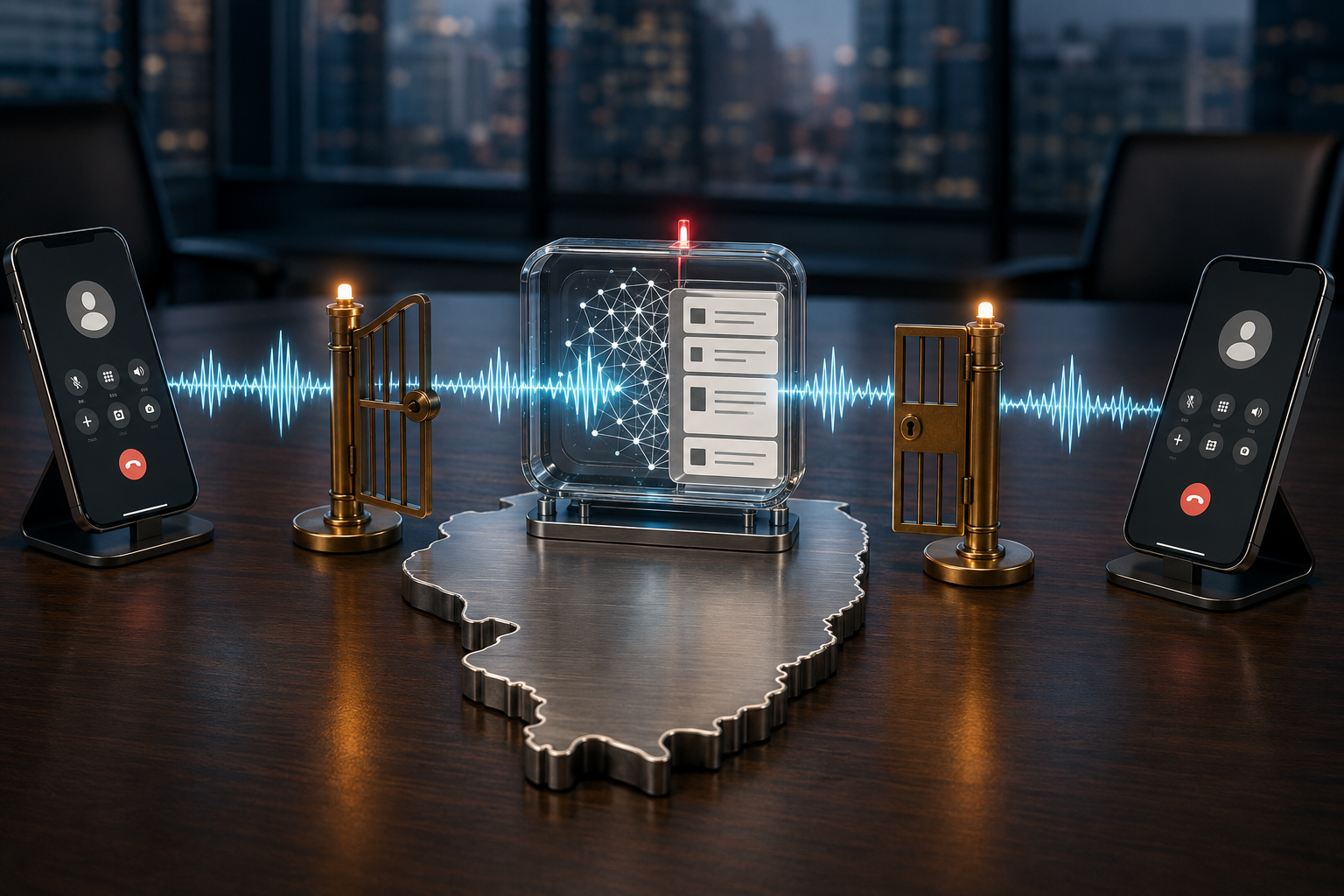
733EA402-0266-44C9-9EA7-FA3D89BB89FA-300x200Only if every single person on the call actually consents, and that requirement is a lot stricter than most businesses using these tools realize. Illinois is one of the toughest states in the country on recording consent, and AI note takers, Otter, Fireflies, Zoom’s AI companion, Microsoft Teams transcription, and similar tools, don’t get a pass just because a person didn’t personally hit a record button. The law treats the AI tool exactly the same as a tape recorder, and in some cases, it creates a second layer of legal risk most businesses have never even considered.

Illinois Law Doesn’t Care How Sophisticated the Tool Is

Illinois is an all-party consent state meaning every participant in a private conversation has to consent before it’s recorded, whether that conversation happens in person, over the phone, or through a video call. The statute defines an eavesdropping device broadly enough to cover any technology capable of recording a conversation, and it explicitly applies to AI transcription tools the same way it applies to a phone recorder. There’s no carveout for automation, no exception because the recording exists to generate a summary instead of an audio file, and no exception because only one person on the call actually chose to turn the tool on.
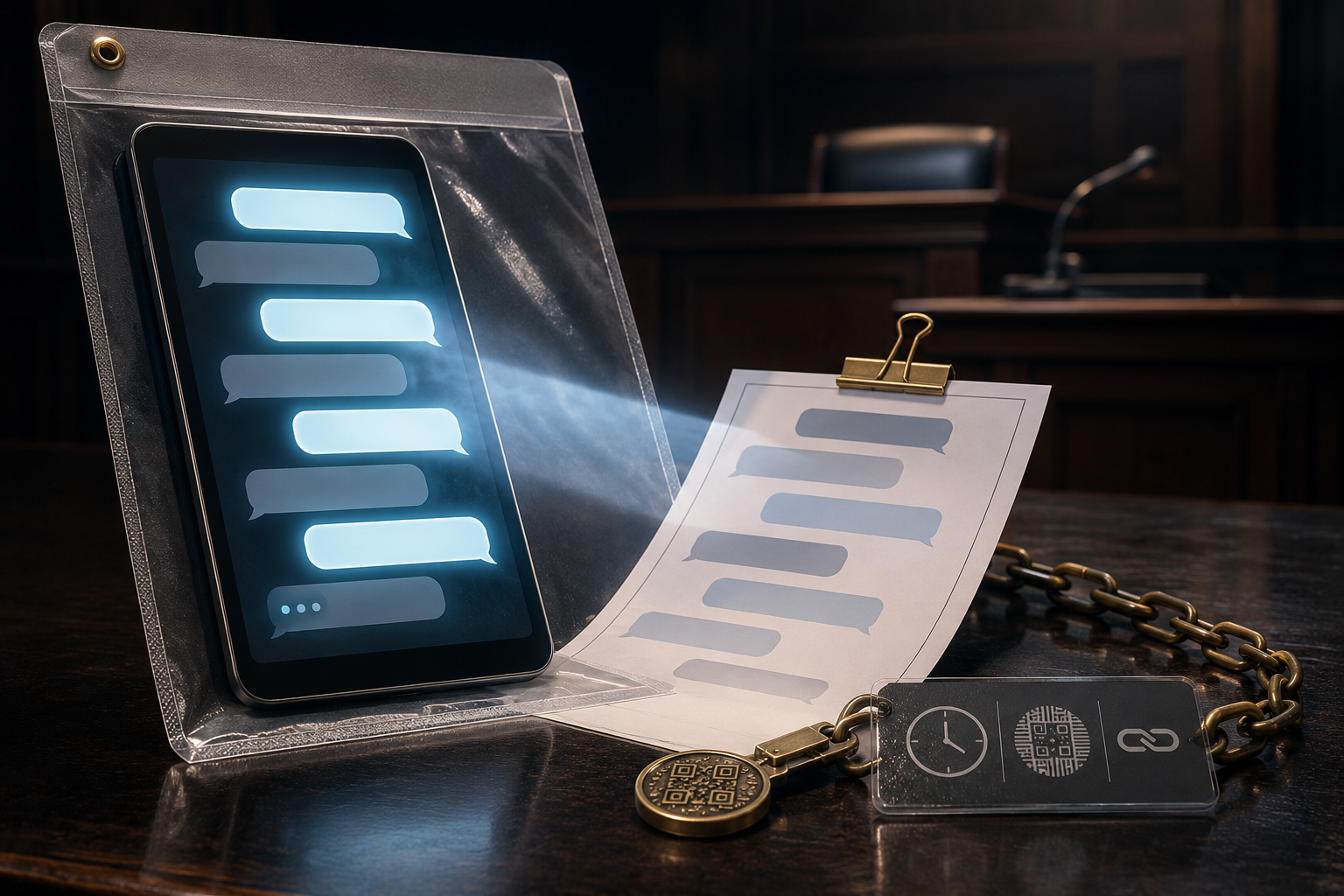

F491983D-A3B1-490C-964F-A8B4EEBB8ED8-300x200Yes, and it already has been, in a criminal arson trial and in a 250 million dollar business dispute, both in 2026. If you’ve ever typed something into ChatGPT that you wouldn’t want read aloud in a deposition, courts are now treating that conversation exactly the way they’d treat an email or a text message. Not private. Not protected. Fully discoverable.

For business owners, this isn’t an abstract technology story. It’s a direct warning about how you and your employees are using AI tools for anything touching contracts, disputes, or business decisions.

The Case That Should Worry Every Business Owner

E9FDF7CF-C7AF-41E7-9053-D86674150EFD-300x200Business partnerships tend to end the way marriages do. Slowly, then all at once, with a moment where trust breaks and someone decides they’re done. The difference is that a business divorce doesn’t come with decades of family law precedent guiding every move. It comes with a company that still has customers, employees, bills, and a bank account, all sitting in the middle of two people who no longer agree on anything.

What you do in the first few days after that moment decides more than most business owners realize. Illinois law offers real remedies for owners who reach an impasse, buyouts, provisional directors, even court appointed custodians to keep a business running through a fight. But those remedies favor the owner who acted carefully, not the one who reacted first. Here are the five moves that tend to do the most damage before a lawyer ever gets involved.

1. Never Lock Your Co-Owner Out of the Business or Its Accounts

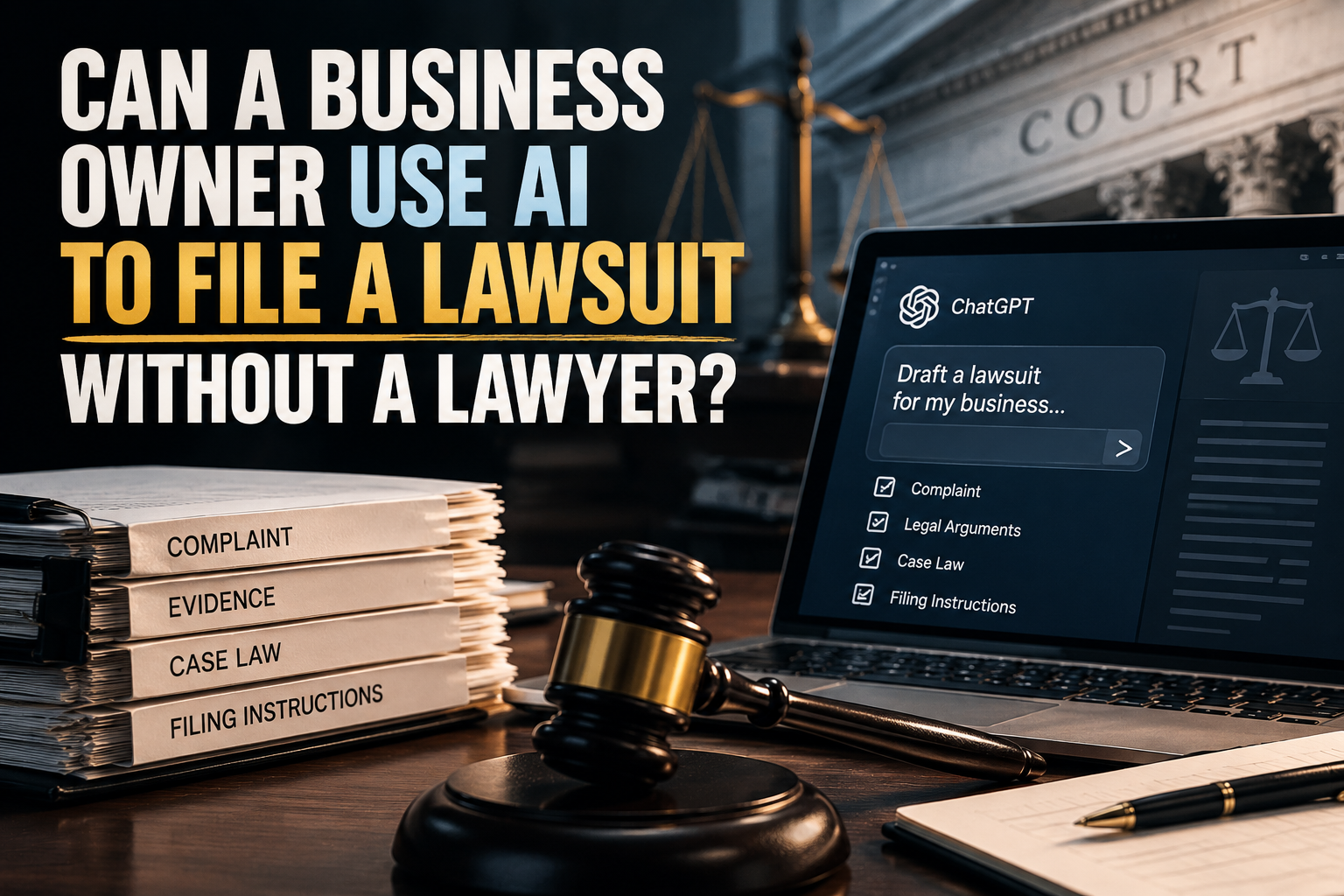
AEA4DAB5-FF53-459D-A33F-446320D1864C-300x200Generative artificial intelligence is changing pro se litigation. Law.com reports that lawyers and judges see more self-represented litigants using AI to prepare court filings, sometimes effectively and sometimes with serious errors. The increase is also causing courts to reconsider their case-management procedures and the guidance they provide to self-represented litigants. 

A business owner may believe, “My company was cheated, so I can file the complaint myself.” But, if the claim belongs to the company, the owner’s AI-generated complaint may create an unauthorized representation problem before the merits are ever reached.

The Seventh Circuit of the Federal Court recently observed that approximately 60% of its caseload includes at least one self-represented party (pro se litigation). AI did not create pro se litigation, but it has dramatically made it easier to produce a complaint, brief, or motion that looks as though it was prepared by a lawyer.

364DDDEC-6DBF-43BA-B6E6-EE9ECB9760A0-copy-300x200Everyone is talking about what AI can do.

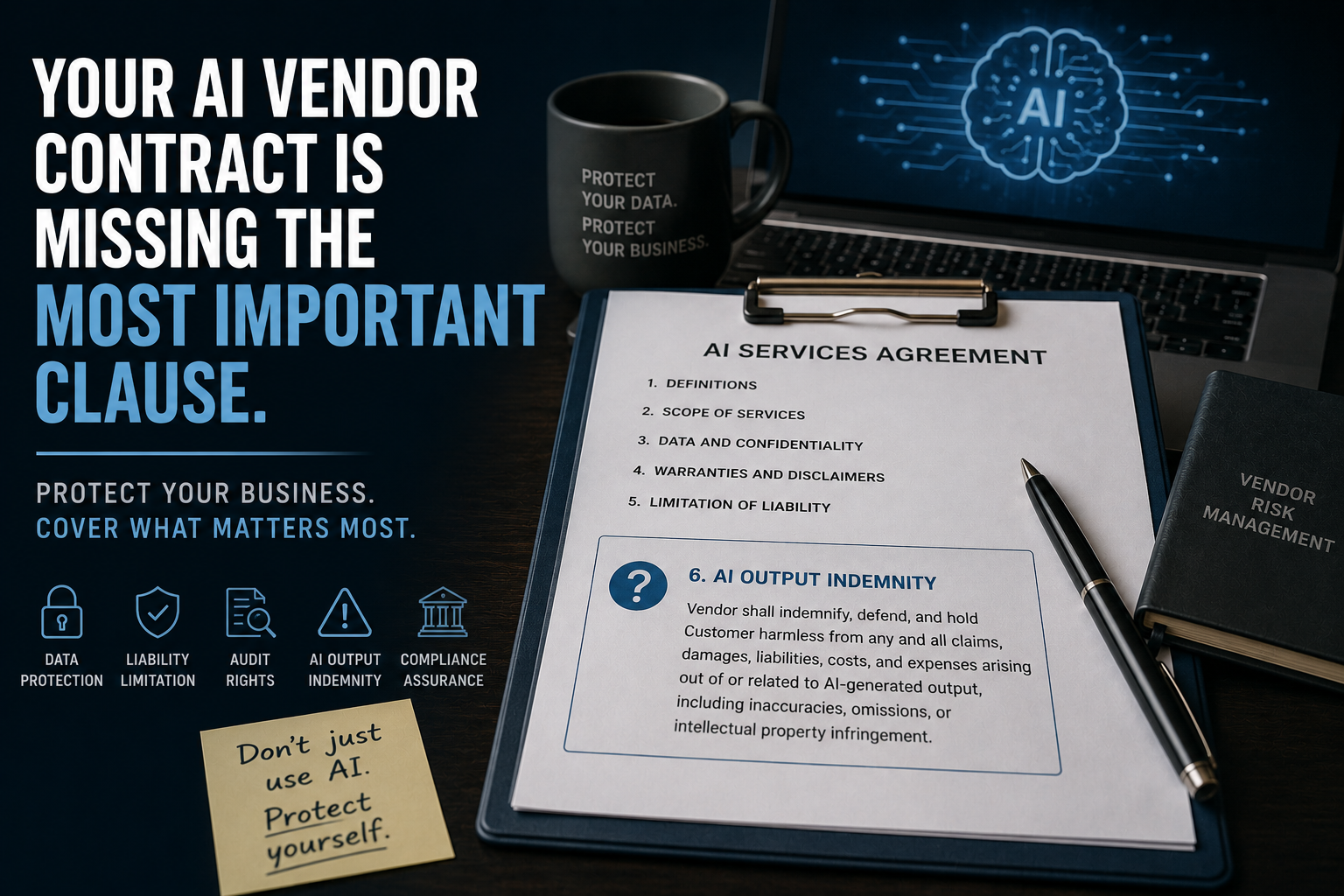
Write marketing copy. Analyze contracts. Screen resumes. Answer customer questions. Summarize meetings. Build code. What far fewer people are talking about is what happens when AI gets something wrong.

That is where I see businesses getting into trouble.

5C8A0485-0766-4613-832C-53DAFCDBD68A-300x200Most business disputes do not start with bad intentions. They start with contracts that were written for a business environment that no longer exists.

The vendor agreement you drafted three years ago did not account for tariffs reshuffling your supply chain. The independent contractor arrangements your company relies on were built before enforcement agencies started looking much harder at how businesses classify workers. The employment practices you put in place assumed a set of rules that several states, including Illinois, have now rewritten.

In 2026, the distance between what your legal documents say and what the law now requires has grown wider, faster, than most business owners have had time to notice. That gap is where disputes begin, audits are triggered, and litigation gets filed.

What-Illinois-Business-Owners-Should-Know-About-the-One-Big-Beautiful-Bill-Act-copy-300x300What Is a Business Divorce?

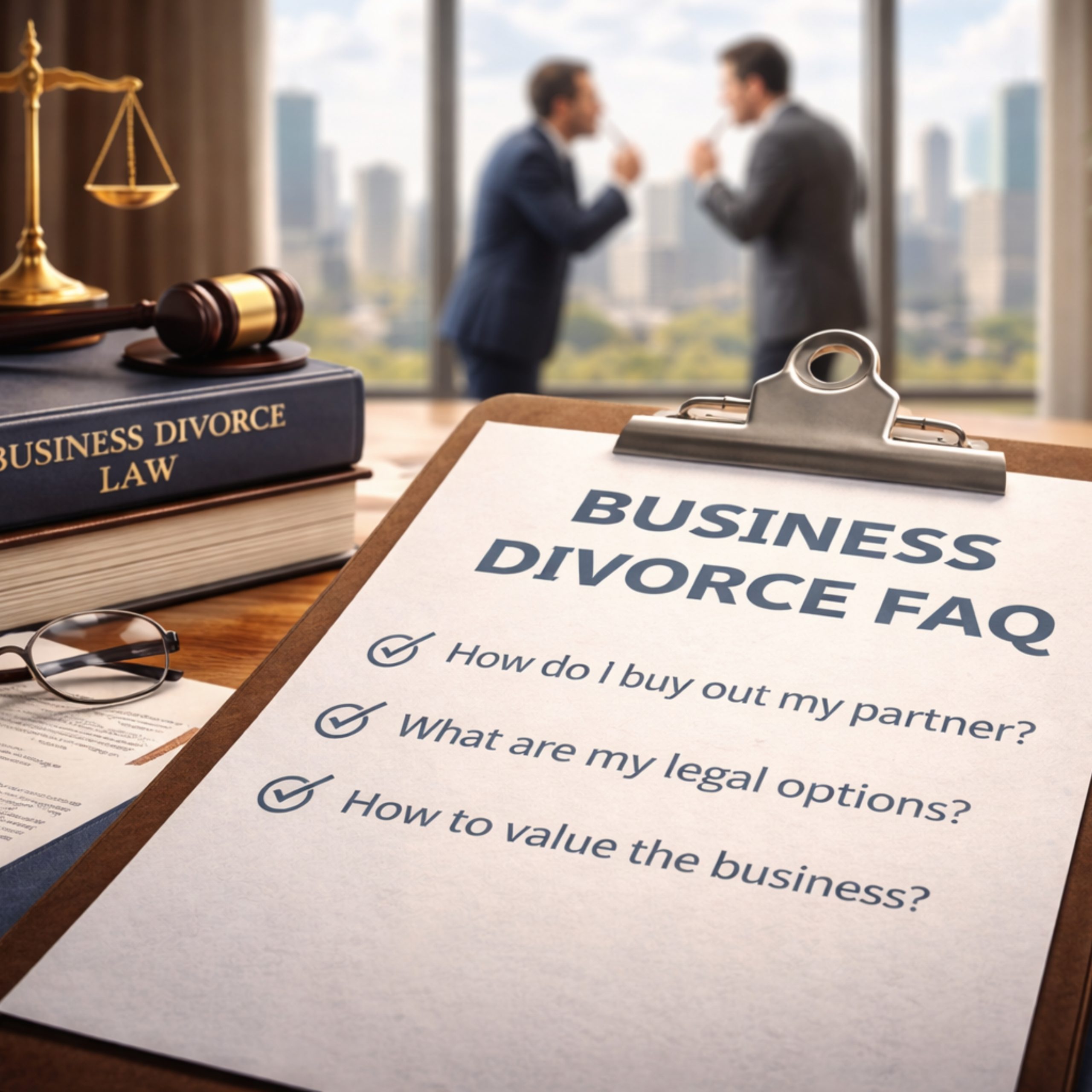
A business divorce refers to the breakdown of a working relationship between business partners or co-owners that makes continued collaboration impossible.

Unlike personal divorces, business divorces involve disputes over control of the company, financial transparency, ownership rights, and fiduciary responsibilities.

What-Illinois-Business-Owners-Should-Know-About-the-One-Big-Beautiful-Bill-Act-2-300x300Most business partnerships do not collapse with dramatic confrontations or lawsuits.

They unravel quietly.

Communication slows. Financial transparency fades. Strategic decisions begin happening without discussion. One partner gradually pulls away while another assumes more control.

Contact Information