Articles Tagged with business attorney Chicago

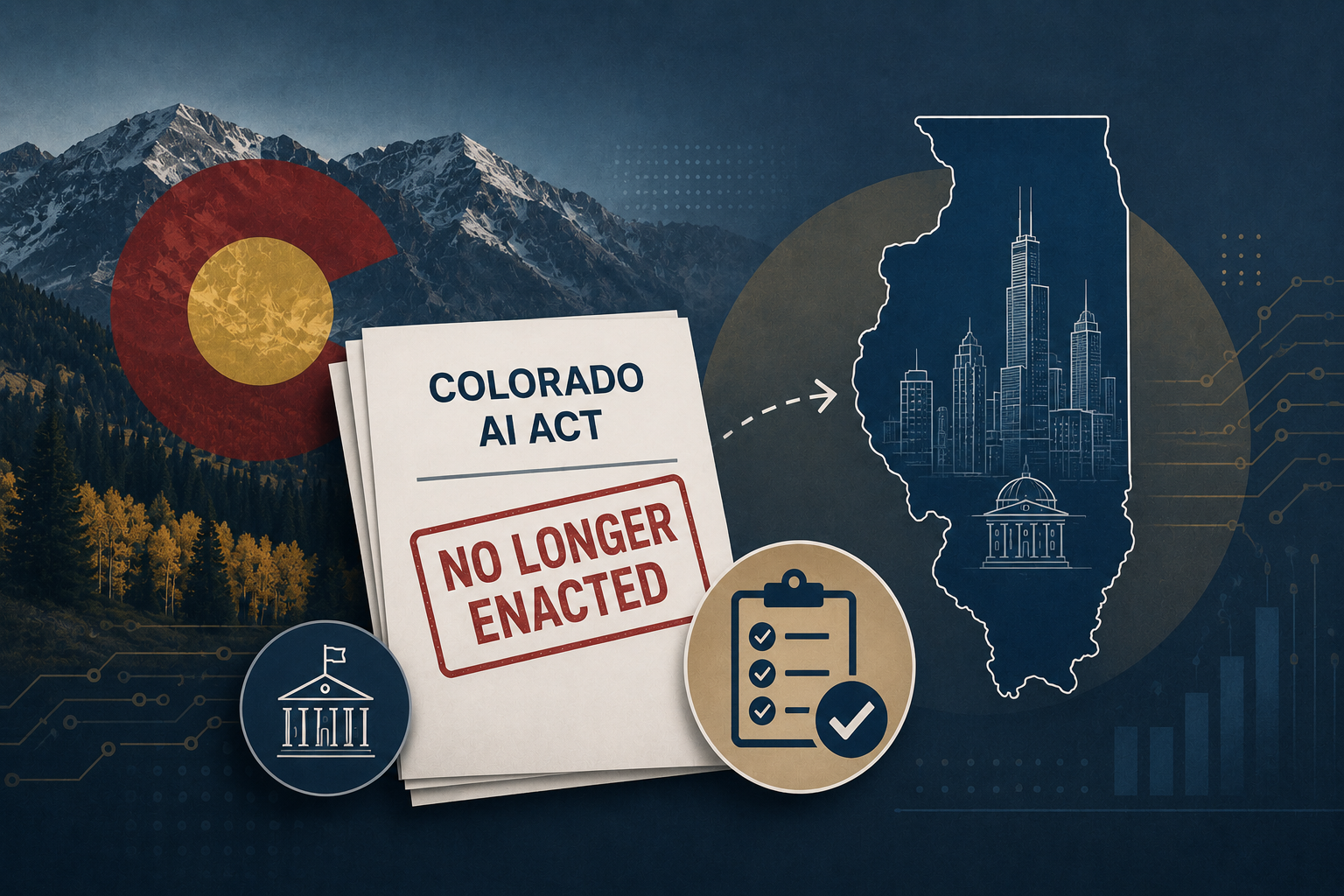
8B4D3AF3-C721-4050-A5CD-D192B5B77A12-300x200You may have seen the headlines earlier this year about the Colorado AI Act taking effect June 30, 2026. If you were preparing for that law, you were preparing for the wrong thing.

The original Colorado AI Act, formally known as SB 24-205, is dead in any practical sense. A federal court stayed enforcement in April 2026. The U.S. Department of Justice and Elon Musk’s xAI joined a lawsuit challenging its constitutionality. The Colorado legislature responded by passing a replacement bill. Governor Polis signed the replacement, SB 26-189, into law on May 14, 2026.

What that means is that the comprehensive compliance framework most businesses were tracking, the one with risk management programs, annual impact assessments, and sweeping algorithmic discrimination duties, has been replaced with something narrower. The June 30 deadline for the original law is effectively moot.

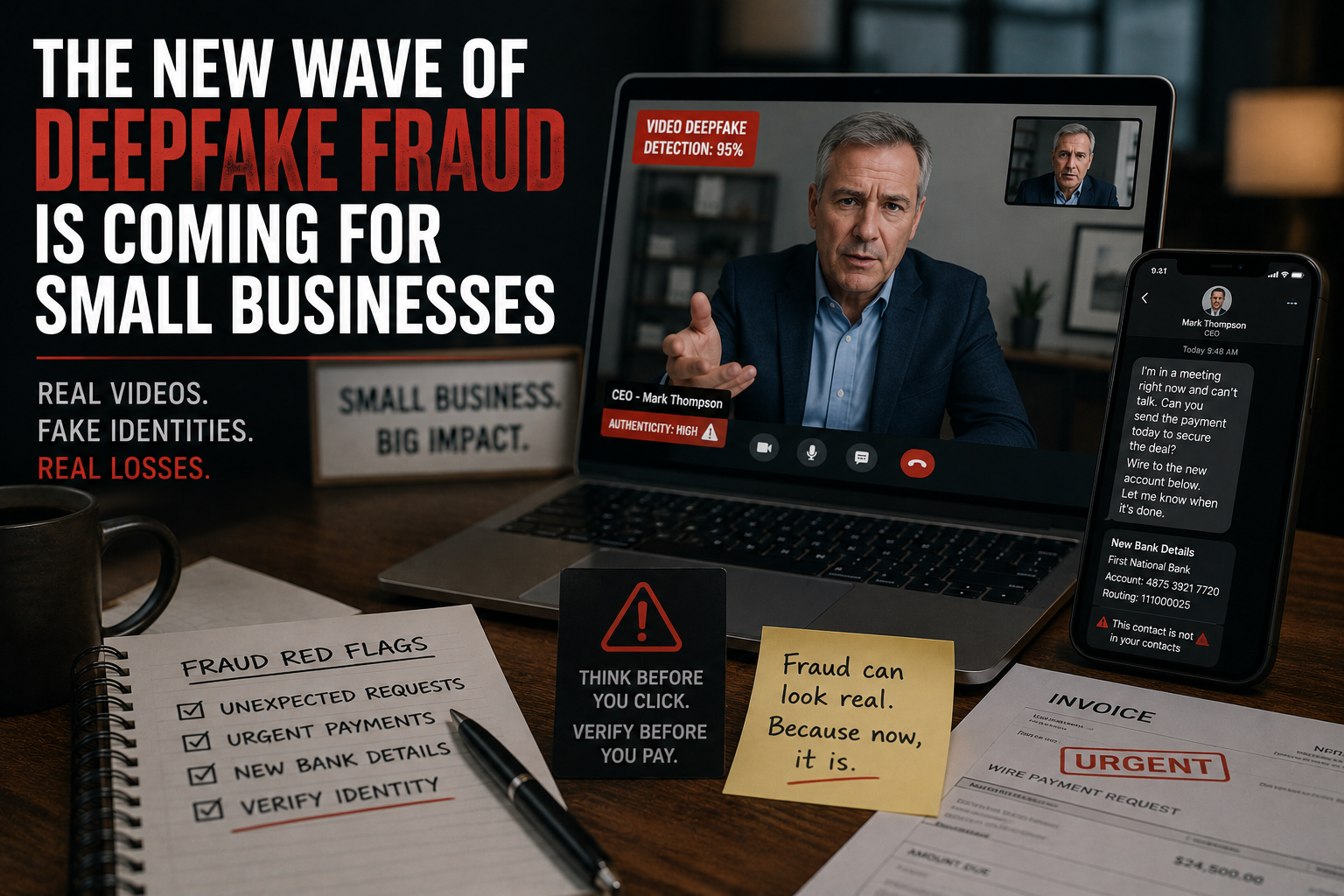
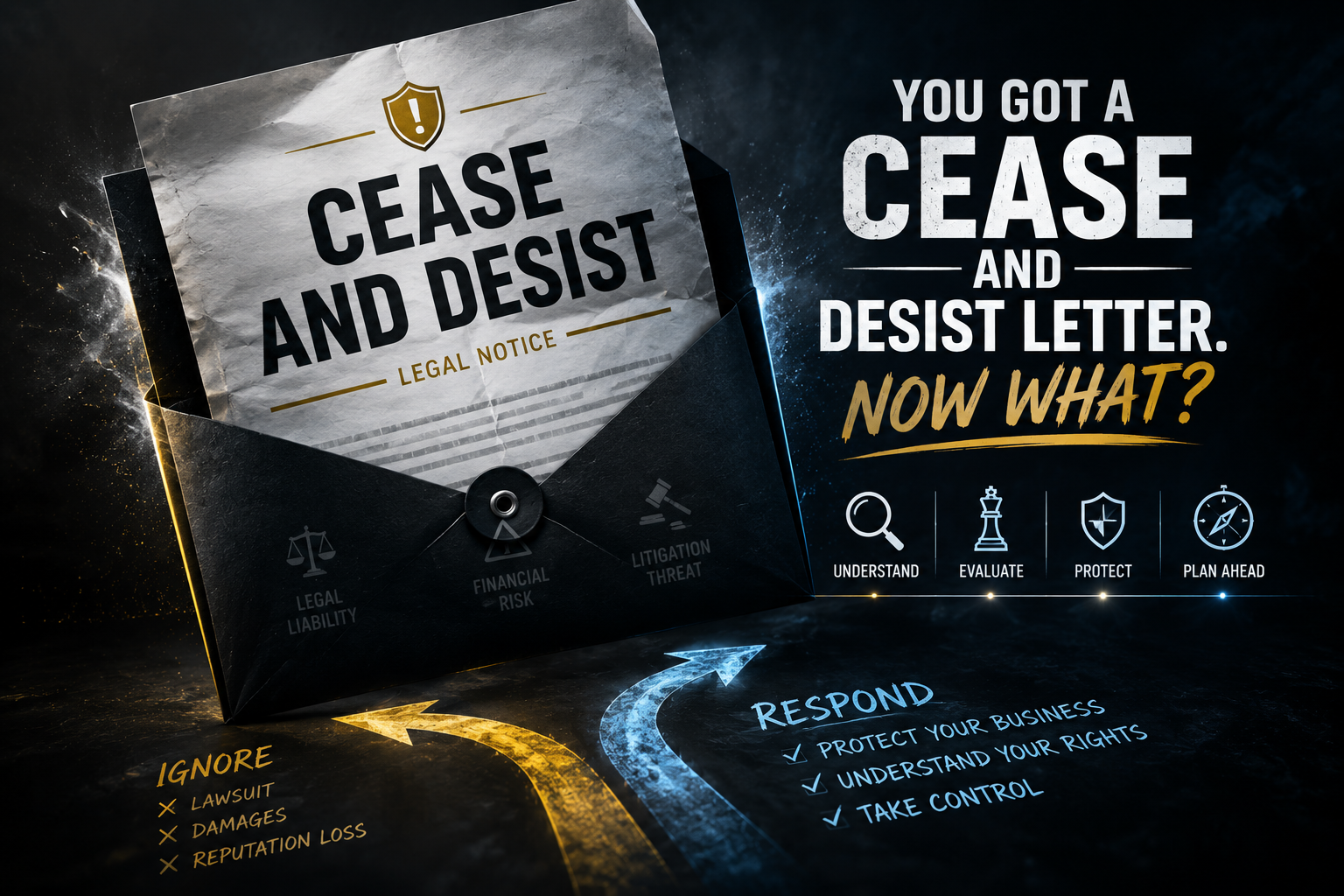
67888434-CAFB-435F-A004-C35C87F6A72F-300x200You opened your email this morning and something stopped you cold.

A letter. From an attorney. Addressed to your business.

The words “cease and desist” are somewhere near the top, followed by phrases like “immediate action required,” “legal liability,” and “failure to comply may result in litigation.”

9268F80E-C3D4-436F-AC98-1472D36FC5CD-300x200Business partner disputes are one of the most common reasons companies end up in litigation. They are also one of the most preventable.

The phone call usually starts the same way. Two or three people built a business together. Things were good for a while. Then one partner wants to leave, or wants the other one out, or stops showing up, or starts taking money they are not entitled to, or quietly starts a competing business on the side. And when the moment of crisis arrives, everyone reaches for the operating agreement.

What they find there determines almost everything about what happens next.

5C8A0485-0766-4613-832C-53DAFCDBD68A-300x200Most business disputes do not start with bad intentions. They start with contracts that were written for a business environment that no longer exists.

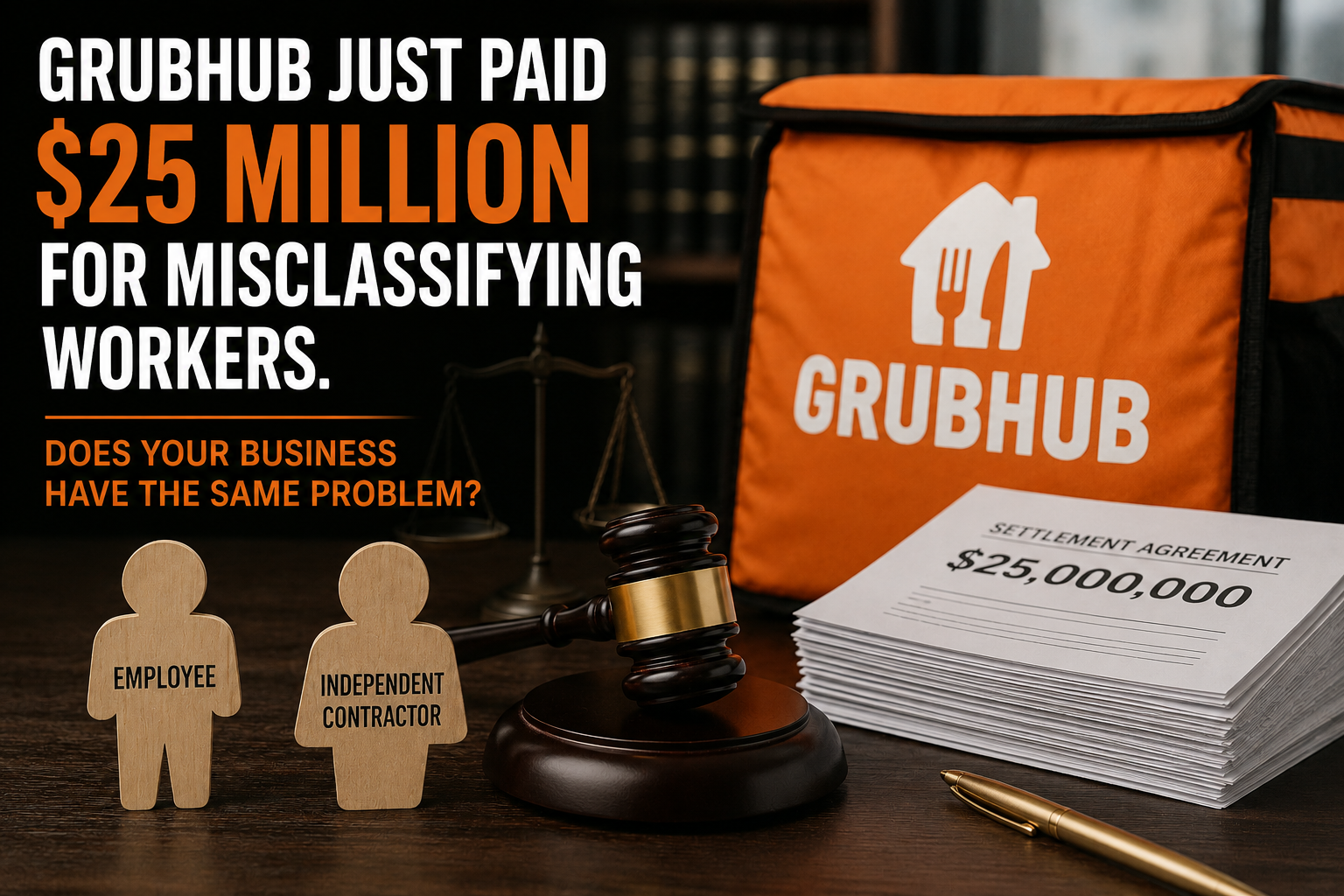
The vendor agreement you drafted three years ago did not account for tariffs reshuffling your supply chain. The independent contractor arrangements your company relies on were built before enforcement agencies started looking much harder at how businesses classify workers. The employment practices you put in place assumed a set of rules that several states, including Illinois, have now rewritten.

In 2026, the distance between what your legal documents say and what the law now requires has grown wider, faster, than most business owners have had time to notice. That gap is where disputes begin, audits are triggered, and litigation gets filed.

Contact Information