Articles Posted in Chat GPT

57F447A8-E5FB-4B8F-96B4-E67FF8E5E436-300x200Your employee is not trying to steal anything.

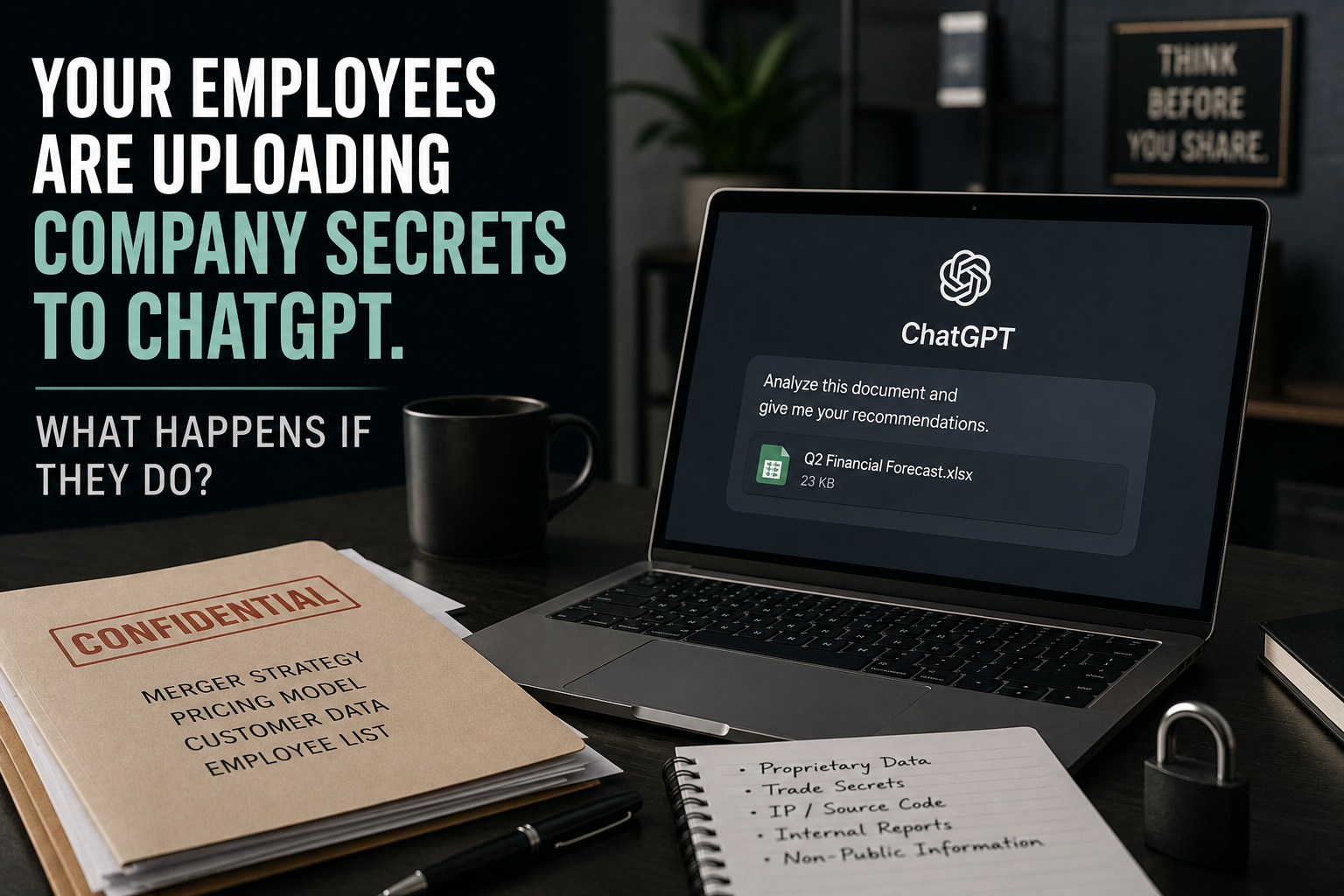
They are trying to finish a task faster. They paste your pricing model into ChatGPT to reformat it as a client proposal. They upload a draft contract and ask the AI to clean up the language. They feed your source code into the prompt to find a bug. They summarize a confidential internal investigation report to save time writing it up.

None of this feels like a security incident. It feels like using a tool.
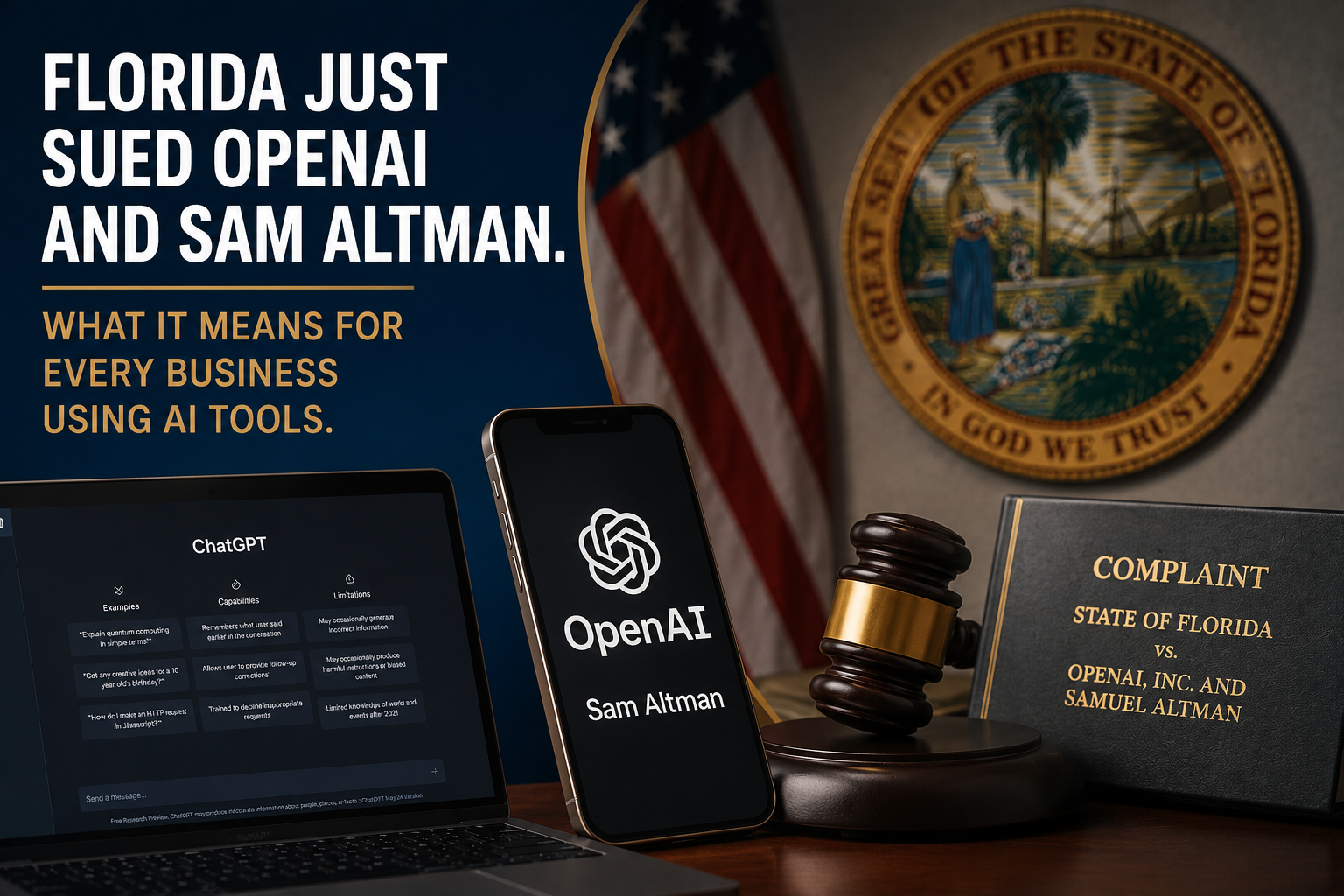
200CE7BC-9B59-48E7-AB51-3F0959FB7762-300x200On June 1, 2026, Florida Attorney General James Uthmeier filed an 83-page civil complaint against OpenAI and its CEO Sam Altman in Highlands County Circuit Court. Florida became the first state in the United States to sue the maker of ChatGPT over the alleged safety failures of its product.

The lawsuit accuses OpenAI of knowingly releasing a dangerous product, suppressing internal safety warnings, marketing ChatGPT as safe for children without adequate safeguards, and collecting minors’ data without meaningful parental oversight. It seeks to hold Sam Altman personally liable for what it describes as his utter disregard for the risk to human life caused by his conduct as CEO.

OpenAI is a $300 billion company. It has some of the best lawyers in the country. It will defend this case aggressively and the outcome is genuinely uncertain.

1FF5750E-FB67-4652-9050-252B9E13B5BC-300x200The uncomfortable truth: your AI conversations may be evidence

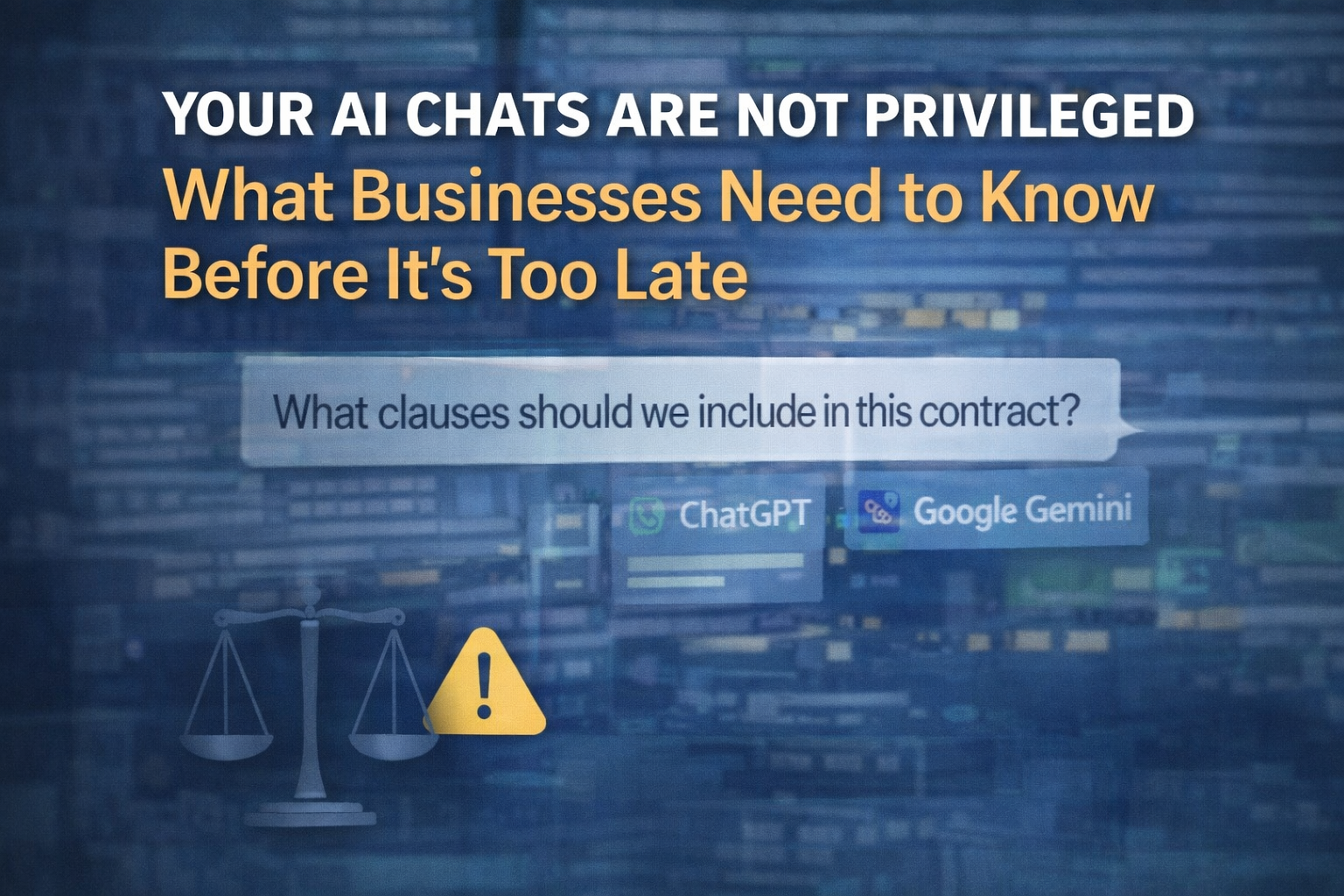
If you are using AI tools like ChatGPT, Claude, or Google Gemini to ask legal questions, draft contracts, or think through business decisions, you need to understand one thing:

Those conversations are likely not protected by attorney-client privilege.


AI-content-300x251

AI & Content Creation

Businesses using generative AI programs like ChatGPT to create any content—whether for blogs, websites or other marketing materials, and whether text, visuals, sound or video—need to ensure that they’re not inadvertently using copyrighted materials in the process.

Clearly, the times they are a changing….and businesses need to adapt to the changes.  Employers should promulgate messages to their employees and contractors updating their policy manuals to ensure that communications professionals and others crafting content are aware of the risks of using AI-generated materials, which go beyond the possibility that they are “hallucinated” rather than factual—although that’s worth considering, too.

keep-your-secrets-300x251

Using Generative AI? Keep Your Secrets

Businesses are finding generative AI programs like ChatGPT useful in functions from financial services to human resources. Although still in its early stages, and far from entirely reliable, the technology is evolving quickly and its tools and practices will continue to develop. The Cisco 2024 Data Privacy Benchmark study found that 79% of businesses say they’re deriving measurable value from generative AI for everything from creating documents to coding.

But this use of generative AI has led to a number of cautions, mostly commonly and loudly about the accuracy of the information that apps like ChatGPT generate—including their tendency to “hallucinate” assertions when they don’t actually have answers.

AI-for-Hiring-300x251

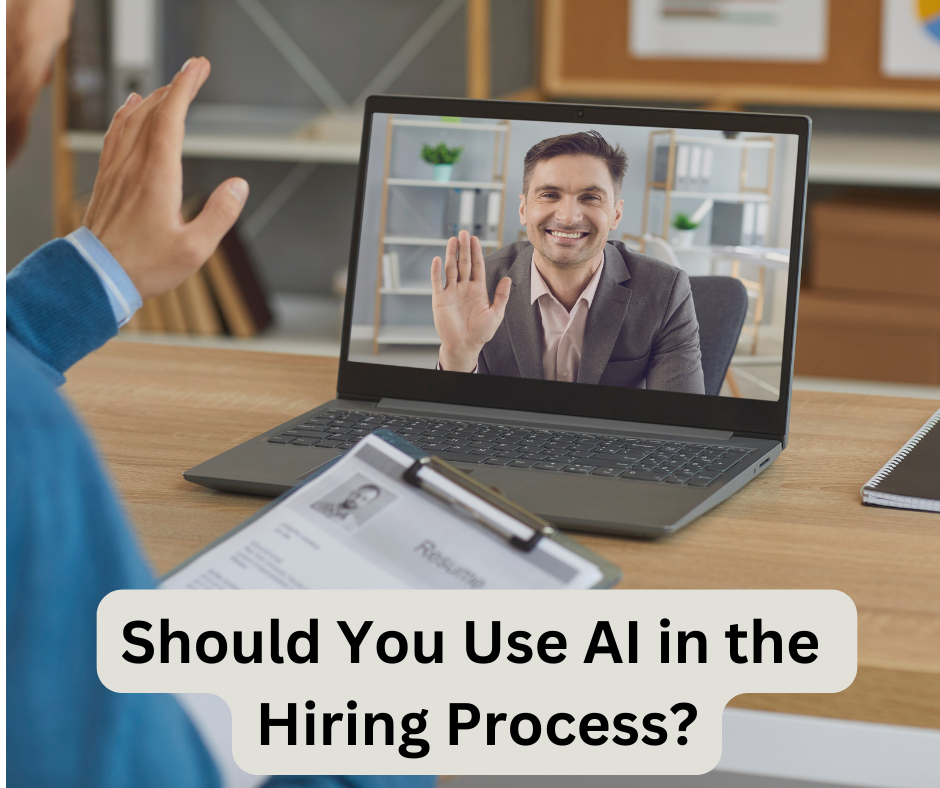
You Can, But Should You?

To begin with, employers thinking about using AI such as ChatGPT during hiring and selection need to familiarize themselves with the technology at a conceptual level, and then look closely at—and understand well enough so they can explain to others—how AI integrates with their recruiting tools and practices.

A key piece of state legislation in Illinois pertaining to the use of AI is the Artificial Intelligence Video Interview Act (820 ILCS 42/1), which lays down various stipulations for the recording of video interviews and subsequent use of AI while evaluating said recordings.

Contact Information