Articles Posted in Artificial Intelligence

A430F844-8238-433E-B492-E6F55F8F6901-300x200There is a number that should stop you cold.

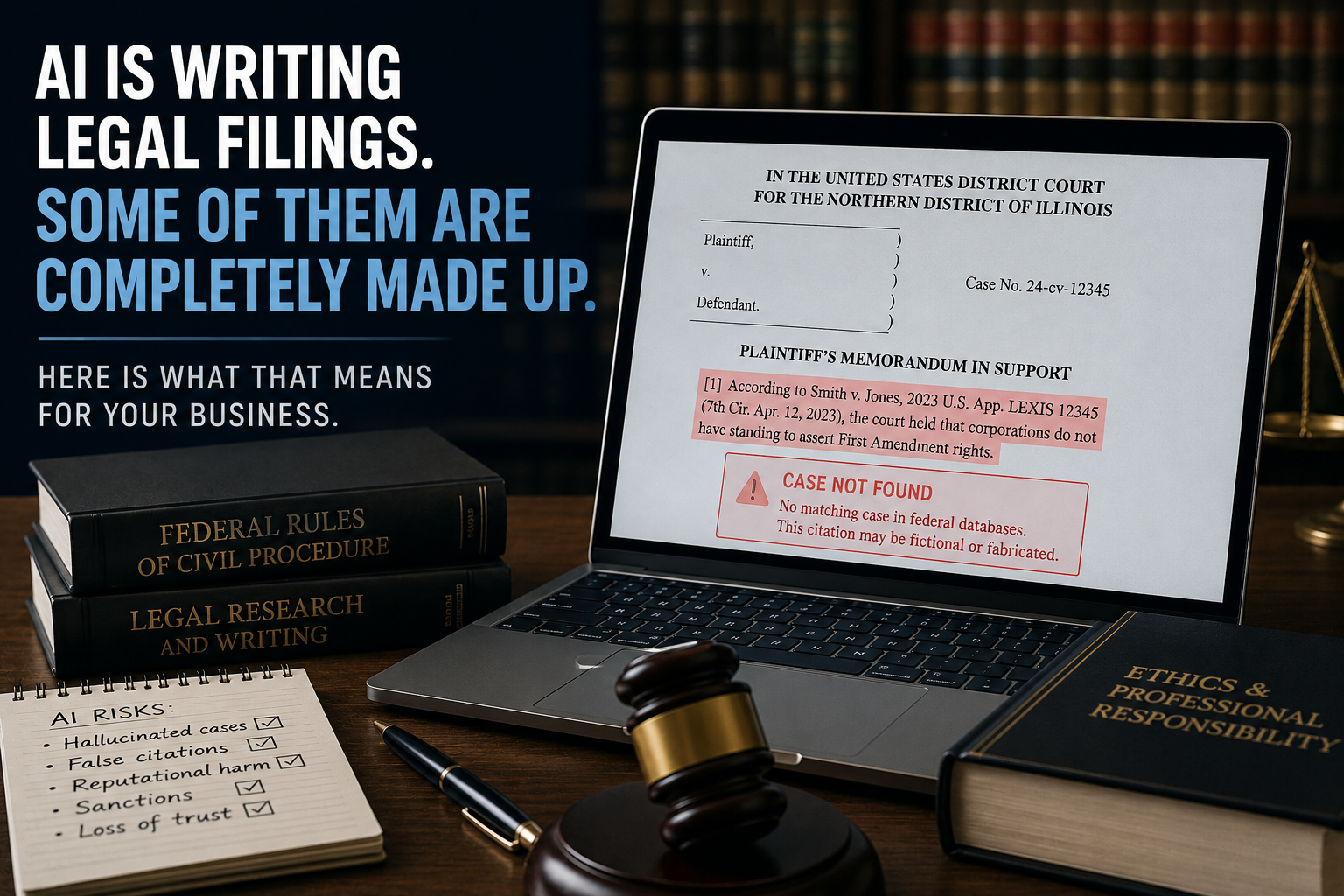
As of June 9, 2026, researchers have documented 1,598 court proceedings worldwide in which AI-generated content, fabricated case citations, invented statutes, false quotes from real judgments, was submitted to a court. Of those cases, 496 involved licensed attorneys. The number is growing at roughly 8 new cases per day.

US courts imposed over $145,000 in AI-filing penalties in the first quarter of 2026 alone.
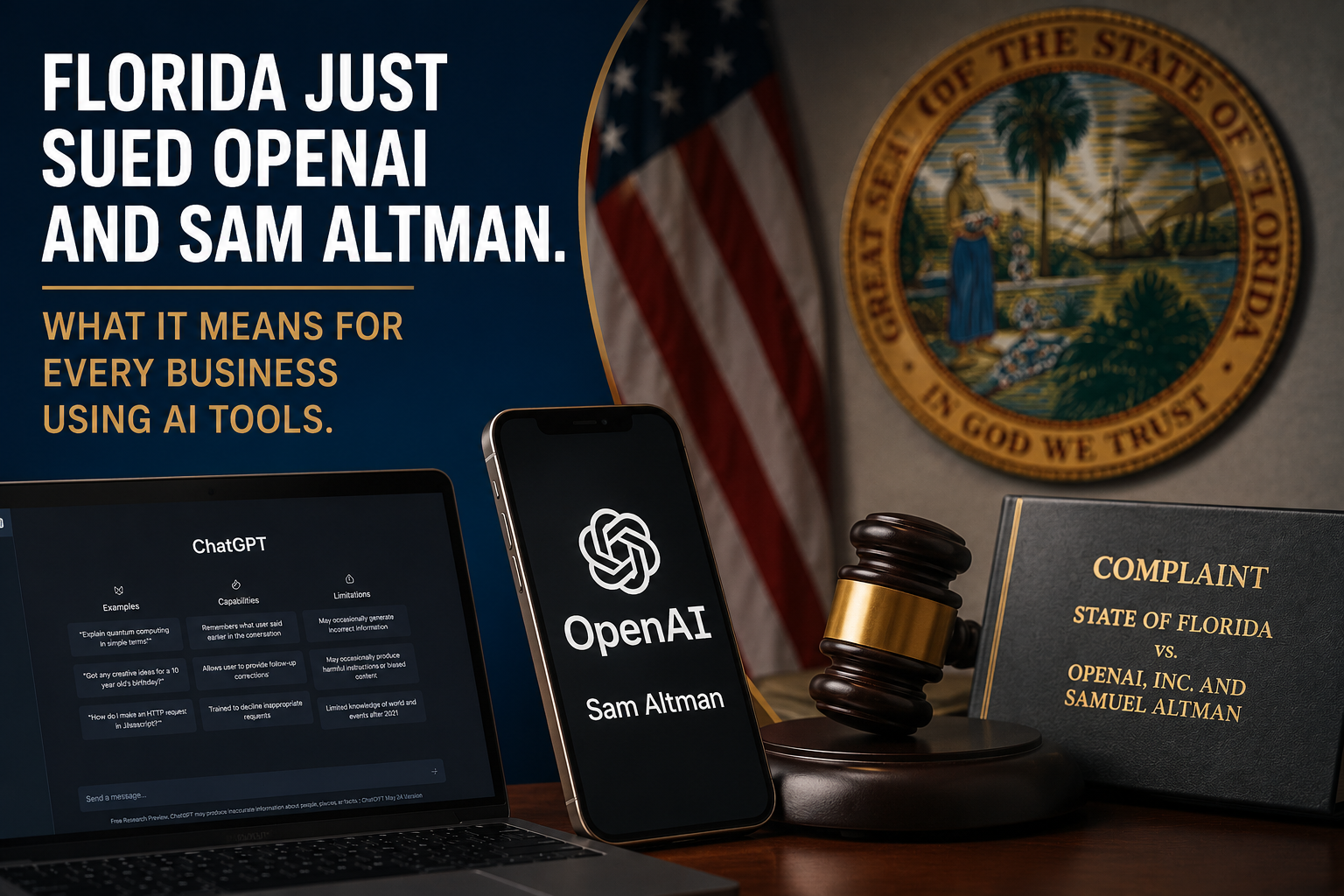
200CE7BC-9B59-48E7-AB51-3F0959FB7762-300x200On June 1, 2026, Florida Attorney General James Uthmeier filed an 83-page civil complaint against OpenAI and its CEO Sam Altman in Highlands County Circuit Court. Florida became the first state in the United States to sue the maker of ChatGPT over the alleged safety failures of its product.

The lawsuit accuses OpenAI of knowingly releasing a dangerous product, suppressing internal safety warnings, marketing ChatGPT as safe for children without adequate safeguards, and collecting minors’ data without meaningful parental oversight. It seeks to hold Sam Altman personally liable for what it describes as his utter disregard for the risk to human life caused by his conduct as CEO.

OpenAI is a $300 billion company. It has some of the best lawyers in the country. It will defend this case aggressively and the outcome is genuinely uncertain.

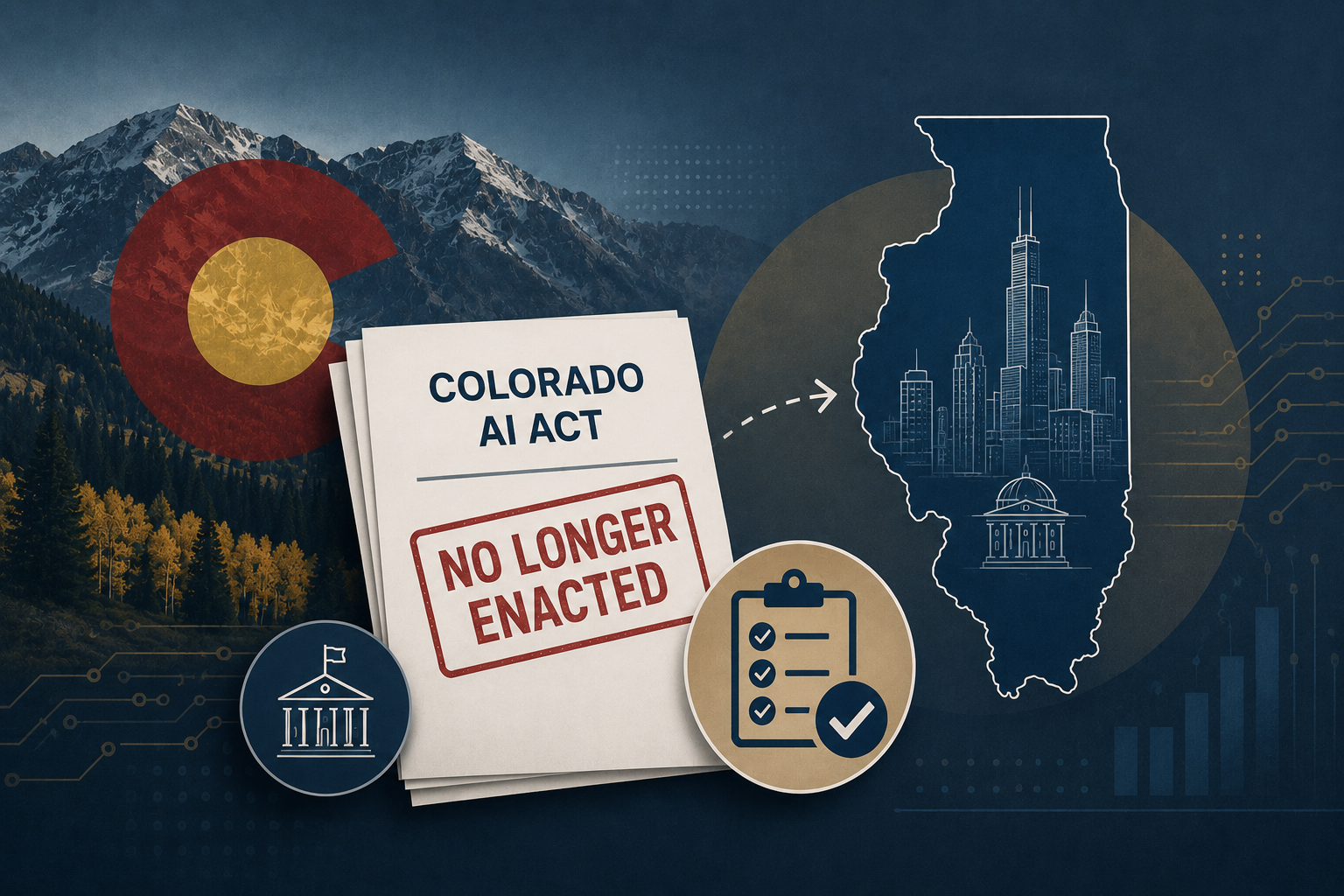
8B4D3AF3-C721-4050-A5CD-D192B5B77A12-300x200You may have seen the headlines earlier this year about the Colorado AI Act taking effect June 30, 2026. If you were preparing for that law, you were preparing for the wrong thing.

The original Colorado AI Act, formally known as SB 24-205, is dead in any practical sense. A federal court stayed enforcement in April 2026. The U.S. Department of Justice and Elon Musk’s xAI joined a lawsuit challenging its constitutionality. The Colorado legislature responded by passing a replacement bill. Governor Polis signed the replacement, SB 26-189, into law on May 14, 2026.

What that means is that the comprehensive compliance framework most businesses were tracking, the one with risk management programs, annual impact assessments, and sweeping algorithmic discrimination duties, has been replaced with something narrower. The June 30 deadline for the original law is effectively moot.

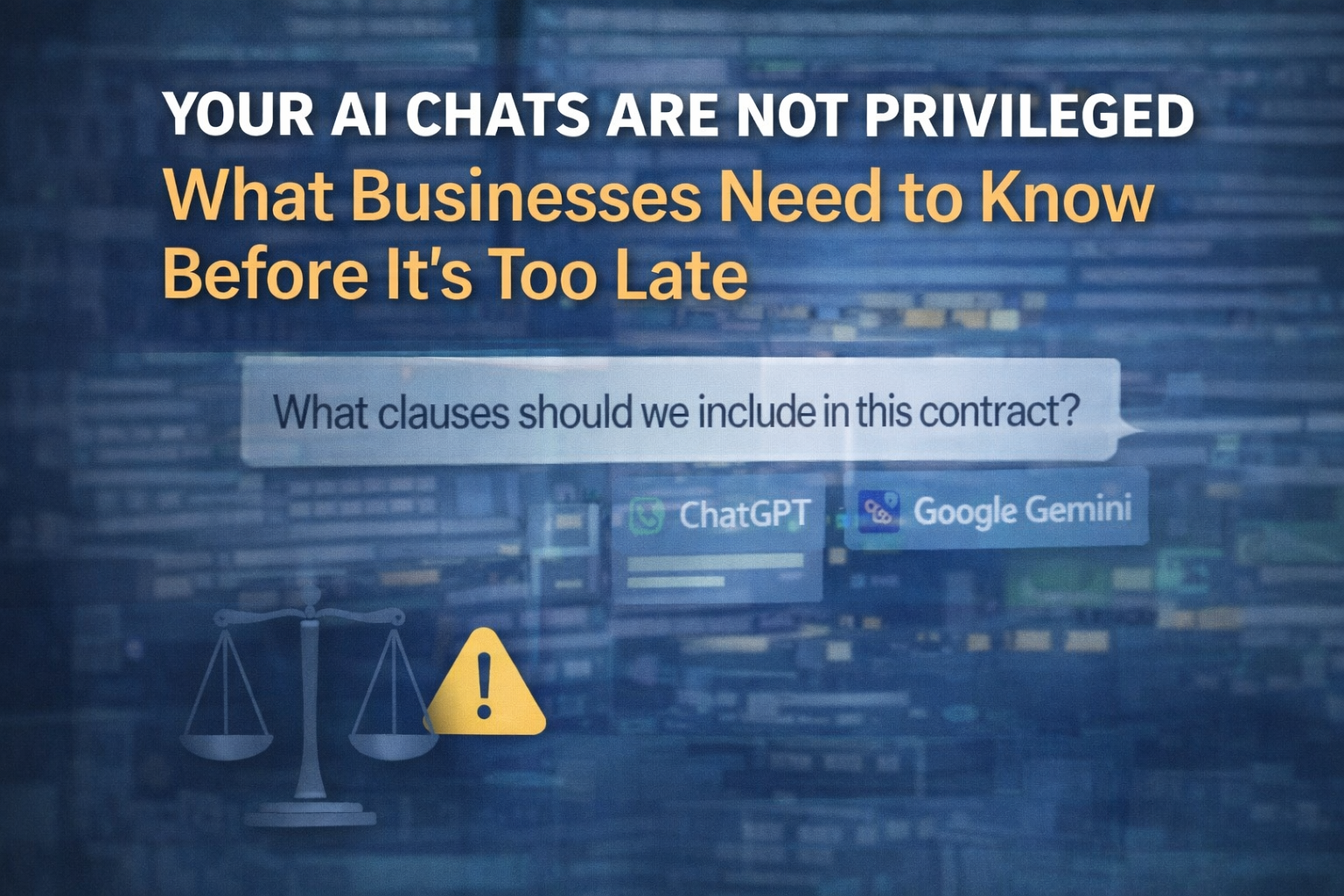
1FF5750E-FB67-4652-9050-252B9E13B5BC-300x200The uncomfortable truth: your AI conversations may be evidence

If you are using AI tools like ChatGPT, Claude, or Google Gemini to ask legal questions, draft contracts, or think through business decisions, you need to understand one thing:

Those conversations are likely not protected by attorney-client privilege.

E3204C4C-EF65-47C3-908C-ECE30B761BC6-300x300Artificial intelligence is entering litigation faster than courts can formally regulate it. Judges are not responding with panic. They are responding with discipline.

The first sanctions issued for AI misuse in legal filings reveal how courts are approaching this new reality. The issue is not the technology itself. The issue is responsibility.

Courts are drawing a clear line between AI used as a legal tool and AI used as a substitute for legal judgment.

Contact Information